

Welcome to our Founders Blog, your exclusive source for everything Mosaic. Discover the latest updates, explore Kendra's current inspirations, and enjoy beauty tips and favorite finds. Dive into the behind-the-scenes world of Mosaic, where all the exciting happenings unfold.
From
the Founder


SHOP
the BOUTIQUE
AROUND
the BLOG
HEART-TO-HEART
INSPIRING STORIES
BEAUTY
SELF CARE
WELLNESS WISDOM

join
the team
SUBSCRIBE TO MOSAIC
founders
favorites


Let’s Talk About “Clean Beauty”
November 27, 2025
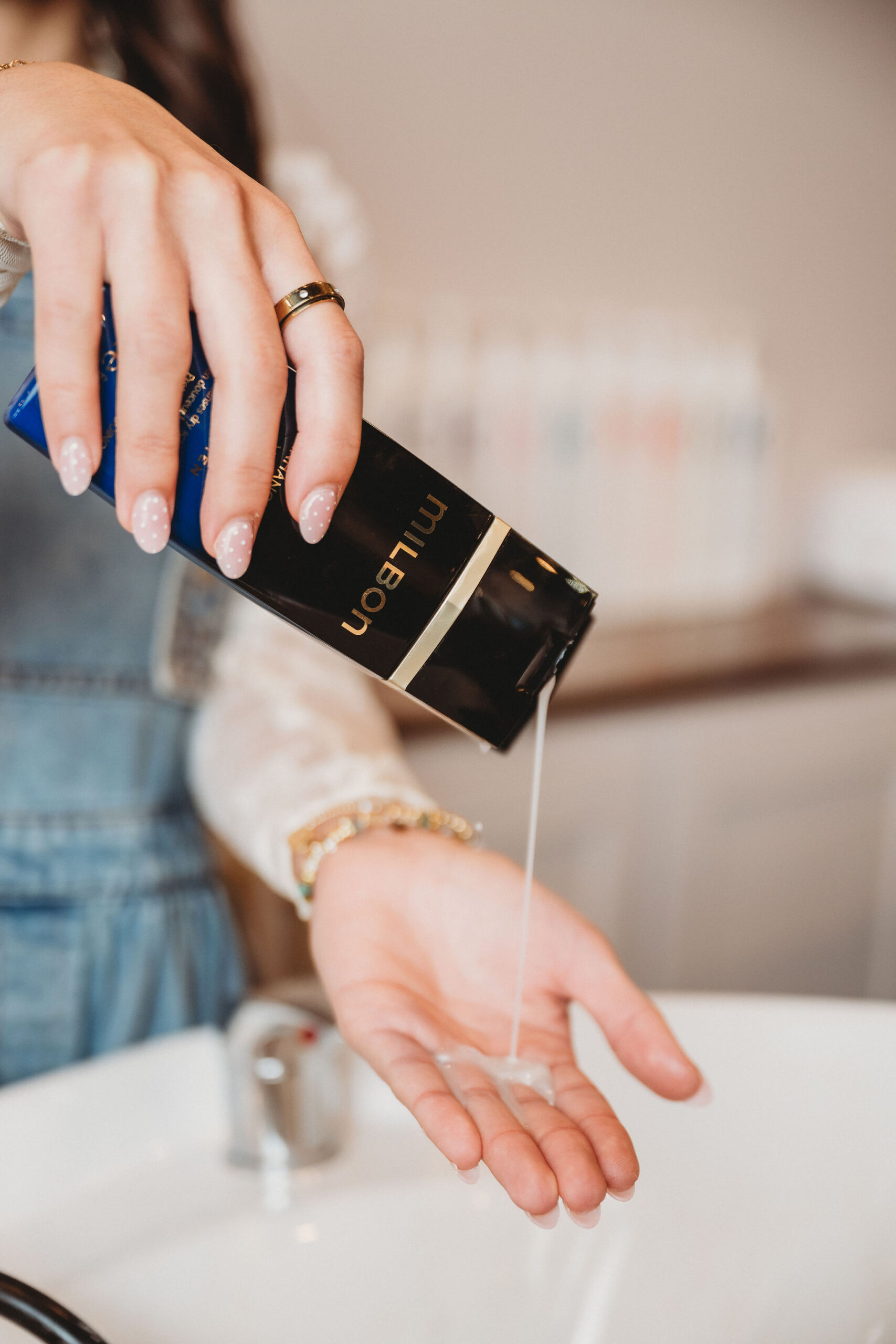
I’m witnessing a resurgence of clients who are concerned about whether or not their haircare products contain certain ingredients. It’s an interesting discussion that comes up every few years and that I always love the opportunity to get into the weeds about. “Paraben-free, sulfate-free, silicone-free” has basically become beauty shorthand for “clean,” but the three have very different origins in both chemistry and controversy. Let’s unpack each one clearly and then talk about why they got lumped together.
🧪 1. Parabens
What they are:
Parabens are a family of preservatives — chemicals like methylparaben, propylparaben, butylparaben, etc. — that prevent mold, bacteria, and yeast growth in water-based products (which is critical for product safety).
Why people are concerned:
- Hormone disruption fears: Some lab studies (mostly on animals or using isolated cells) showed that parabens can mimic estrogen, leading to speculation that they might contribute to hormone-related issues like breast cancer or reproductive harm.
- Bioaccumulation worries: Small traces of parabens were found in breast tissue samples in one early study, which triggered huge public concern (even though correlation ≠ causation).
- Outdated studies amplified: Early data lacked nuance, but once the fear spread, public opinion moved faster than the science.
Reality check:
Most toxicologists agree that parabens in cosmetics are used at levels far below what would cause endocrine disruption in humans. But the public perception stuck — and brands found it easier to market “paraben-free” than to fight the stigma.
💦 2. Sulfates
What they are:
Sulfates like sodium lauryl sulfate (SLS) and sodium laureth sulfate (SLES) are surfactants — they make products foam and remove oil and buildup effectively. They’re why shampoo feels so satisfying and squeaky-clean.
Why people are concerned:
- Dryness and irritation: Sulfates can strip natural oils from hair and scalp, especially for those with color-treated, curly, or dry hair.
- Environmental concerns: Sulfates are often petroleum-derived and not always biodegradable.
- Association with harshness: Because SLS is used in industrial degreasers at high concentrations, consumers assume it’s equally harsh in shampoo (it’s not — concentration and formulation matter).
Reality check:
Sulfates aren’t inherently “toxic,” but they can be too strong for certain hair types. The clean beauty movement reframed that as “bad.” So instead of educating about balance, brands pivoted to “sulfate-free” and leaned into the gentler, luxury feel. Cleansers that don’t contain surfactants can prove to be more harmful than good because it’s so important to get a good scalp cleanse to prevent build up that could lead to clogged follicles and hair loss.
✨ 3. Silicones
What they are:
Silicones (like dimethicone, cyclopentasiloxane, amodimethicone) are synthetic polymers that create slip, shine, and frizz control. They’re common in styling and conditioning products because they smooth the hair cuticle and protect against heat and humidity.
Why people are concerned:
- Build-up and dullness: Some silicones aren’t water-soluble and can layer up on hair over time, making it feel heavy or coated.
- Environmental persistence: Certain cyclic silicones (like cyclotetrasiloxane) don’t break down easily in the environment.
- “Synthetic” stigma: They’re made in a lab, not from plants, so they get lumped in with “not clean” ingredients even though many are inert and non-irritating.
Reality check:
Silicones are not harmful to human health — they’re stable, hypoallergenic, and used even in medical-grade products. But for stylists, overuse can affect how hair responds to color or treatments, which is a valid professional reason to be cautious. We are sure to use styling products with the highest quality silicones that won’t build up on your hair.
🧩 Why They Got Lumped Together
Here’s the truth: these ingredients ended up in the same “villain” category because of a perfect storm of marketing, misinformation, and timing in the early 2000s.
1. The rise of the “green beauty” movement:
Brands needed an easy way to signal “safe, natural, gentle.” Instead of educating about formulation science, they picked three recognizable ingredient types to avoid — parabens, sulfates, silicones — and plastered it on packaging.
2. Simplification for consumers:
Most people can’t (and shouldn’t have to) decode chemical names. So “free from parabens, sulfates, silicones” became a shorthand for “safe,” even though the science doesn’t fully back that up.
3. Social media and fear-based marketing:
Once influencers started using “clean” as a moral badge, these ingredients became synonymous with “dirty.” Brands who wanted to appear ethical or modern jumped on board — regardless of actual safety data.
4. Overlap in consumer experience:
- Parabens → “Hormone disruptors”
- Sulfates → “Drying and harsh”
- Silicones → “Heavy build-up and fake shine”
Even though these are separate issues, they all play into a desire for purity and naturalness.
🧠 The Takeaway
- None of these ingredients are inherently unsafe — the issue is context, concentration, and formulation.
- The “free-from” movement isn’t scientific, it’s emotional and consumer-driven.
The bottom line for me is that as a salon owner, I can confidently say that we evaluate products not just on marketing labels, but on what’s actually in the bottle — how it performs, how it treats your scalp and hair health long-term, and how transparent the brand is about ingredients. The truth is, hair products are NOT one-size-fits-all and what works for your best friend, favorite influencer, or sister-in-law’s hair may not work for you. If you work with a knowledgeable stylist who you trust, their salon chair is the best place to get your haircare recommendations.
The more you know,
Kendra
Welcome to our Founders Blog, your exclusive source for everything Mosaic. Discover the latest updates, explore Kendra's current inspirations, and enjoy beauty tips and favorite finds. Dive into the behind-the-scenes world of Mosaic, where all the exciting happenings unfold.
From
the Founder
SHOP
the BOUTIQUE
AROUND
the BLOG
HEART-TO-HEART
INSPIRING STORIES
BEAUTY
SELF CARE
WELLNESS WISDOM
join
the team
SUBSCRIBE TO MOSAIC
founders
favorites